





News
How Significant Was the F-35’s Role in U.S. and Israeli Attacks on Iran? New Report Raises Questions
Nov
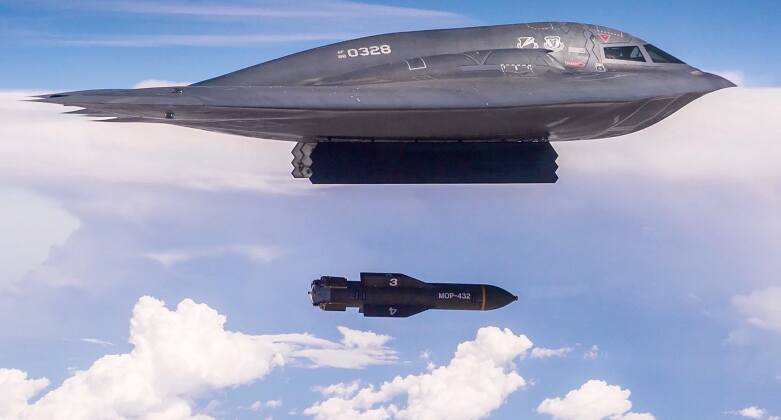
The U.S. Air Force has for the first time confirmed that its F-35A fighter aircraft that participated in a strike on Iranian targets on June 22 were responsible for both the suppression of enemy air defences, and for providing fighter cover for the strike force as it left Iran. The attacks launched under Operation Midnight Hammer saw seven B-2 Spirit intercontinental range stealth bombers target the Fordow and Natanz nuclear facilities. After taking off from Whiteman Air Force Base in Missouri, the bombers received support from a number of shorter range aviation assets including F-35s, and from Navy destroyers which launched cruise missile attacks. Significant uncertainties have remained regarding the role of the F-35, with the 12 day campaign by the U.S., Israel and multiple strategic partners against Iran having represented the first high intensity conflict involving the aircraft.
Commenting on the operation on June 22, Chairman of the Joint Chiefs General Dan Caine reported: “As the Operation Midnight Hammer strike package entered Iranian airspace, the U.S. employed several deception tactics, including decoys, as the fourth-and fifth-generation aircraft pushed out in front of the strike package at high altitude and high speed, sweeping in front of the package for enemy fighters and surface-to-air missile threats.” The age of the B-2, which first flew in 1989, had raised significant concerns regarding its vulnerabilitywhen operating against a highly sophisticated multi-layered air defence network, which made it favourable to have the aircraft supported in their assault by much more modern F-35s.
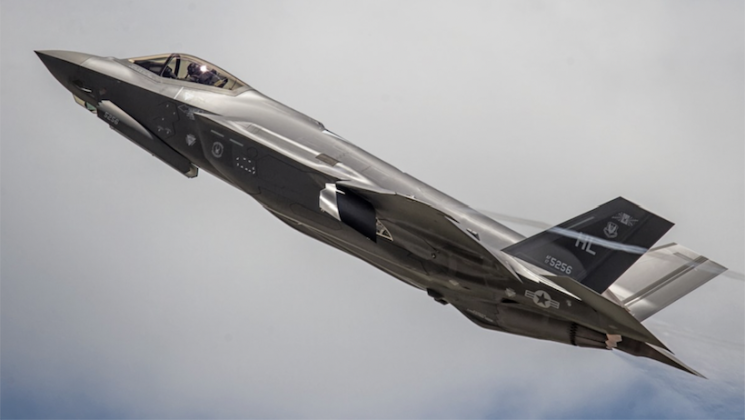
The F-35 is one of two fifth generation fighters to have been developed in the Western world, and unlike the older F-22, benefits from a particularly powerful electronic warfare suite and a passive sensor array which optimises it to counter advanced air defence networks. Where the F-22 was developed with a strong focus on air-to-air combat, albeit with significant shortcomings in its capabilities, the F-35 was developed in the post-Cold War era with a particular focus on dismantling advanced air defence networks. Nevertheless, the fighter’s ability to contribute to air defence suppression operations has been brought to question due to extreme delays bringing capabilities to the Block 4 standard, without which they lack access to any air-to-surface missiles, including the AGM-88G anti-radiation missile developed specifically to destroy air defence systems.
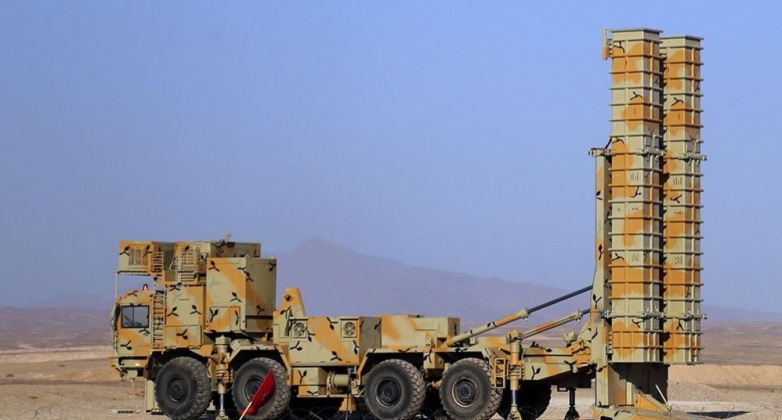
Providing an indication of the F-35’s roles without an air-to-ground missile arsenal, an Israeli Air Force officer, speaking under the pseudonym Lieutenant Colonel I. indicated that the aircraft were not involved in Israeli kinetic attacks on Iranian air defences launched from June 13, but provided support in other ways. He recalled:
“Most of the F-35 missions were intelligence and gave us a lot of information that other planes like the F-16I don’t have. They have a lot of equipment that helps them determine which missiles are heading towards us. And they actually can say to the F-16I, be aware you’re going to meet this kind of missile or another kind. And after we get this information, we do our attack mission that is more precise and more specific. So what we do in our formation is let the F-35 go first, see what’s going on, gather the intelligence and information and give it to us and to the other planes, and then we take this information and attack.”
The F-35 retains world leading electronic warfare and intelligence collection capabilities, which complement its advanced stealth capabilities that allow it to operate much closer to danger than other aircraft. This makes the fighters invaluable for broader campaigns to suppress hostile air defences. Nevertheless, delays of close to a decade in modernising the aircraft and equipping it with the weapons it needs to strike air defence systems limits its primary contributions to such non-kinetic roles.
