








News
France Prepared to Deploy Ground Forces to Ukraine in 2026: Does it Have the Capacity to See It Through?
Oct
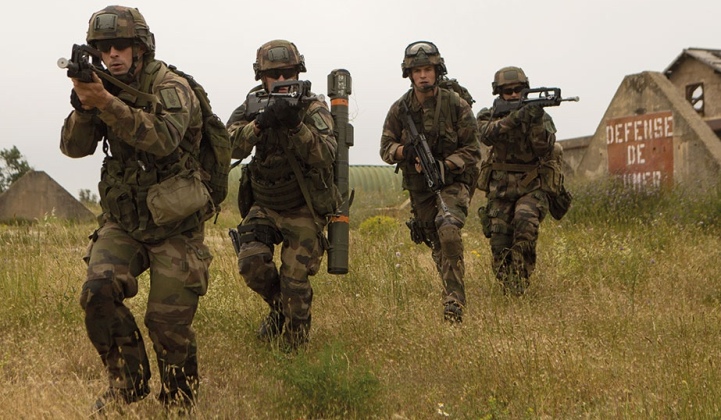
French Land Forces Commander General Pierre Schill has pledged that the country will be ready to deploy ground forces in Ukraine in 2026 if required. “We will be ready to deploy forces to support Ukraine as part of security guarantees, if this is needed,” the general stated, adding that he predicted 2026 “will be a year of coalitions.” This follows a statement by French chief of the General Staff Fabien Mandon that forces troops should be ready for a combat engagements in three to four years to face an emerging “Russian threat.” Although European states have been divided over the possible large scale deployment of ground forces in Ukraine, this option gained growing support from countries across the continent from early 2024 as Ukraine’s military position has deteriorated.
Calls to consider a large scale ground force intervention have been widely raised by European leaders such as Estonian Prime Minister Kaja Kallas, Polish Foreign Minister Radoslaw Sikorski, Lithuanian Foreign Minister Gabrielius Landsbergis, and the Finnish Foreign Minister Elina Valtonen, among others. Nevertheless, France, the United Kingdom, and a number of Nordic states have reportedly been most supportive of escalating to large scale ground force deployments, with British Prime Minister Kier Starmer on March 2 having announced that the United Kingdom and France were ready to lead a “coalition of the willing” to to support the ongoing Ukrainian war effort. He explicitly stated that this support could include by deploying ground forces and aircraft to secure the country’s positions on the frontlines.
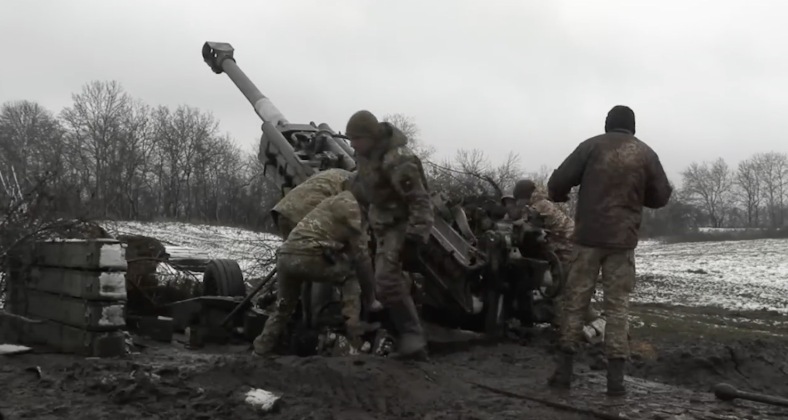
The ability of European states to launch an effective intervention remains in question due to their limited ground force capabilities, with one European diplomatic source having informed The Times that U.S. participation would be necessary because “they have capabilities that all of Europe lacks,” including the “ability to retaliate at scale if needed.”The possibility of Washington committing to such an escalation was considered to have diminished significantly following Donald Trump’s inauguration as U.S. president in February. Commenting on European states’ military limitations, retired U.S. Army lieutenant general and former National Security Advisor at the White House H. R. McMaster on February 7 observed that they lacked the capacity to sustain large scale ground operations, noting when taking the United Kingdom as an example: “Look at the British Army right now. I mean, it makes me want to cry, almost.”
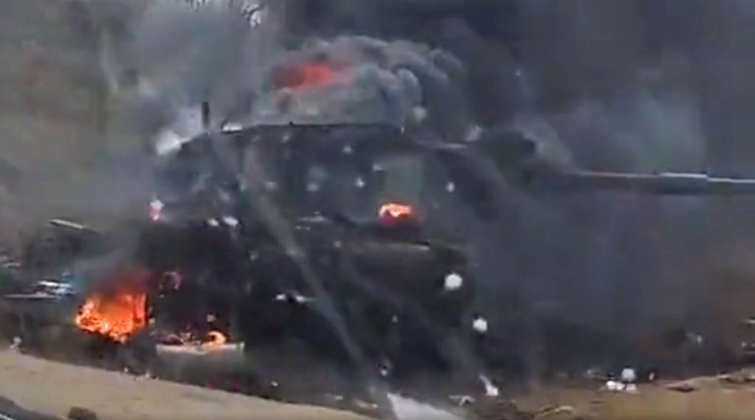
In November 2024 the Russian Foreign Intelligence Service disclosed information on plans by NATO members to initiate major ground force deployments to suspend ongoing hostilities, with the goal of stemming Ukrainian losses and building up local forces to later restart the war on more favourable terms. Citing its intelligence sources, the agency reported that as chances for Ukraine regaining an advantage on the frontlines diminished, NATO members were increasingly in favour of ending hostilities before Russian forces claimed more territory. The goal would be to “prepare it for an attempt at revenge,” with NATO training centres having already begun to be set up to process at least one million new Ukrainian conscripts. Russia has thus consistently drawn a red line against efforts by NATO members to openly deploy ground forces at scale in Ukraine.
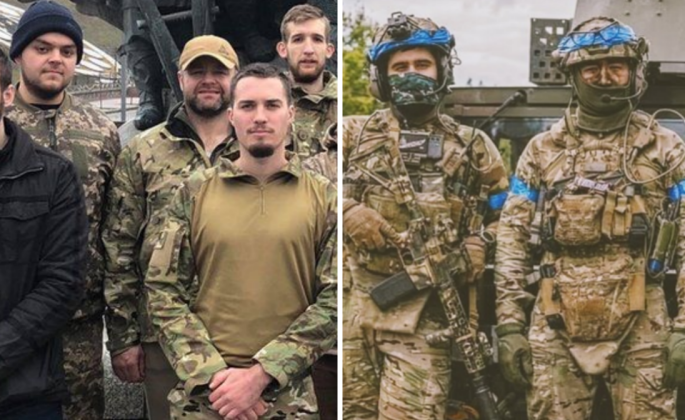
Despite no military intervention having been openly launched, Western advisors, logisticians, combatants, and other personnel operating newly delivered NATO-standard hardware have played a central and growing role in the war effort, ranging from British Royal Marines deployed for frontline combat operations from April 2022 at the latest, to SAS advisors supporting armoured offensives against Russian positions. The Ukrainian-led assault on the Russian Kursk region launched on August 6 has notably seen foreign personnel play a significant role, with American Forward Observations Group forces having been pictured operating in the region. The Russian Armed Forces have consistently singled out Western foreign fighters in the theatre, including those of French origin. A missile strike on January 16 targeted the headquarters of predominantly French European contractors, causing at least 80 casualties 60 or more of which were killed. Russian state media reported that these personnel were “highly trained specialists who work on specific weapons systems too complex for the average Ukrainian conscripts,” which “put some of the most lethal and long-range weapons in the Ukrainian arsenal out of service until more specialists are found” to replace them.
