


News
U.S. Finances Major Surge in Production of Israel’s Iron Dome Air Defences
Nov
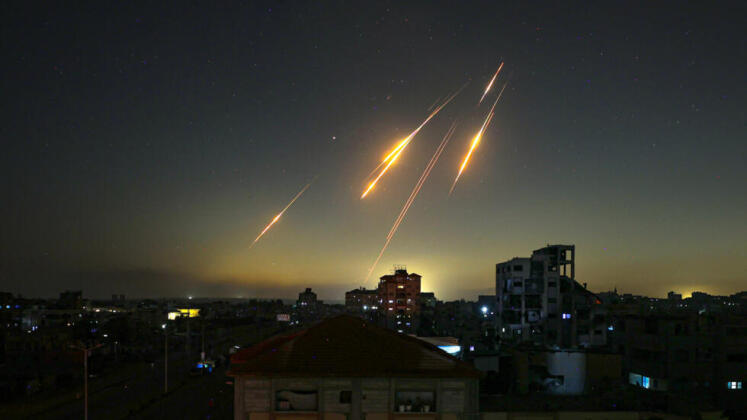
The Israeli Ministry of Defence has finalised plans to expand serial production of the Iron Dome short ranged air defence system, and has signed a multi-billion-dollar contract with the defence manufacturer Rafael to achieve this. The contract will reported be fully funded by an $8.7 billion aid package from the United States, and will replenish stocks depleted during months of hostilities with the Lebanese paramilitary group Hezbollah and various Palestinian paramilitary groups. The aid package specifically allocated $5.2 billion dollars for air and missile defence systems, including longer ranged systems such as the David’s Sling and Barak 8. The Iron Dome forms the shortest ranged and lowest tier of Israel’s surface-to-air missile network, and in 2024 took losses tomultiple successful strikes by Hezbollah, with the paramilitary group reportedly also neutralising the longer ranged David’s Sling systems.
Alongside considerable financing for Israeli missile defence efforts, the United States has also deployed its own Army Terminal High Altitude Air Defence (THAAD) and Navy AEGIS air defence systems to protect the country during periods of full scale hostilities with Iran. These air defence efforts have incurred several billion dollars in costs. During 11 days of hostilities from June 13-24 alone, the U.S. Army expended over 150 anti-ballistic missile interceptors from the THAAD system to intercept Iranian ballistic missile attacks, which represented over 25 percent of the Army’s total arsenal deployed around the world. With each THAAD interceptor launch costing $15.5 million, the defence of Israeli airspace using these systems is estimated to have cost over $2.35 billion. This was aside from the multi-billion dollar costs of expending SM-3 and SM-6 anti-ballistic missiles from the U.S. Navy’s AEGIS systems.
